EPDM vs Silicone vs NBR Hose: Which Rubber Hose Is Right for Your Application?
- Share
- publisher
- RESRUB
- Issue Time
- Aug 18,2026
Summary
EPDM, silicone, and NBR are the three most common rubber hose materials. Compare temperature range, oil resistance, weather resistance, and cost to pick the right hose.
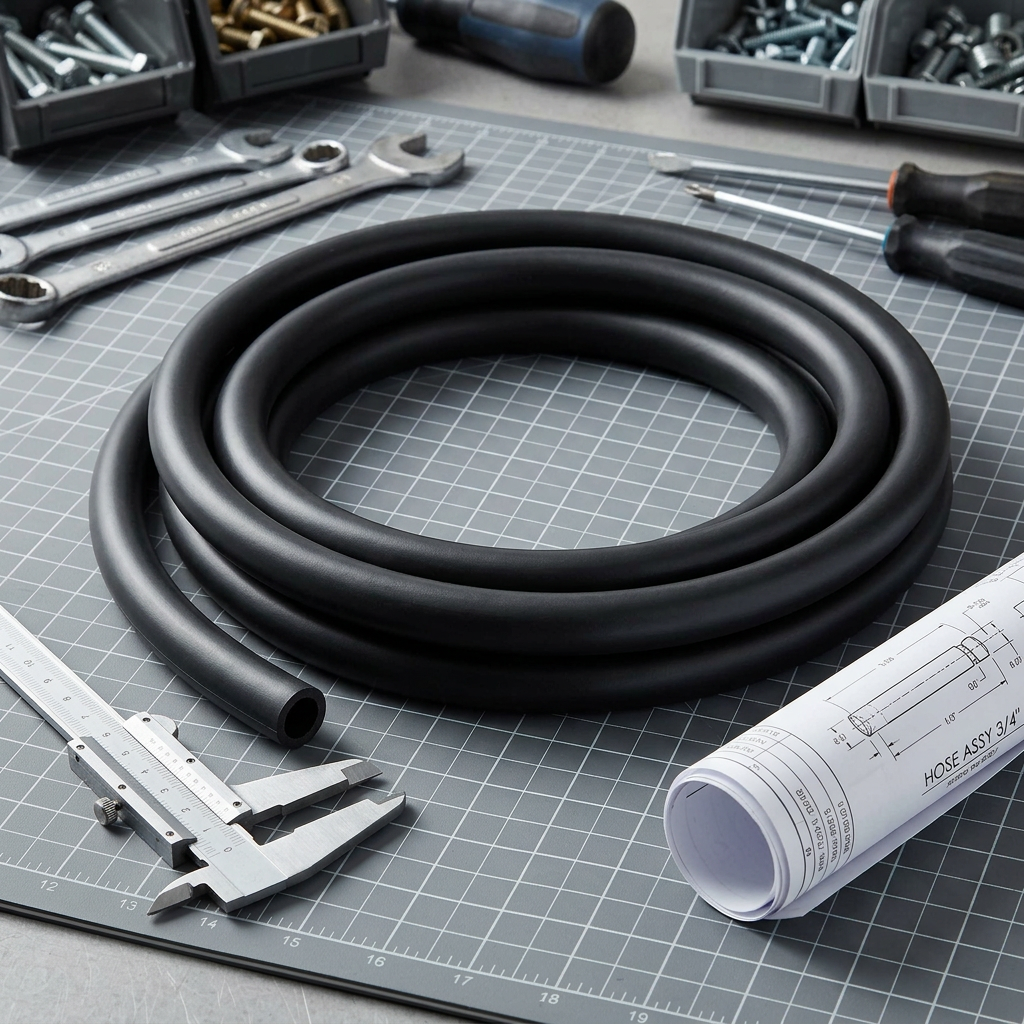
EPDM vs Silicone vs NBR Hose: Which Rubber Hose Is Right for Your Application?
A practical comparison of the three most common rubber hose materials — temperature, oil, weather, and cost.
Choosing a rubber hose is not just about inner diameter and price. The material decides how long the hose lasts, what fluids it can safely carry, and where it can be used. EPDM, silicone, and NBR are the three most popular rubber hose materials, and each one is the best choice in a different working environment.
Below we break down each material's strengths and weaknesses, side by side, so you can match the right hose to the right job.
1. EPDM — The Outdoor & Water Expert
EPDM (Ethylene Propylene Diene Monomer) is a synthetic rubber known for outstanding weather, ozone, and UV resistance. It handles hot water and steam without swelling, stays flexible in cold weather, and covers a working range of -40°C to +150°C.
Best for coolant and heater hoses, washing machine hoses, roof and outdoor plumbing, and PC liquid cooling tubes.
Trade-off: EPDM does not tolerate petroleum oils, fuels, or grease.
2. Silicone — The Temperature & Hygiene Expert
Silicone hoses survive -60°C to +200°C, stay soft in extreme cold, and are available in food-grade and medical-grade versions. They are lightweight, easy to clean, and highly flexible.
Best for food and beverage transfer, pharmaceutical lines, oven and appliance seals, and high-temperature engine or turbo hoses.
Trade-off: silicone has lower mechanical strength and abrasion resistance than EPDM or NBR, and it costs more per meter.
3. NBR — The Oil & Fuel Expert
NBR (Nitrile Butadiene Rubber) is the standard choice for anything carrying petroleum products — fuel lines, oil lines, and hydraulic systems. It also offers excellent abrasion resistance, with a typical range of -40°C to +120°C.
Best for fuel transfer hoses, engine oil return lines, industrial lubrication lines, and pneumatic tools.
Trade-off: NBR degrades quickly under sunlight, ozone, and hot water — keep it away from outdoor exposure.
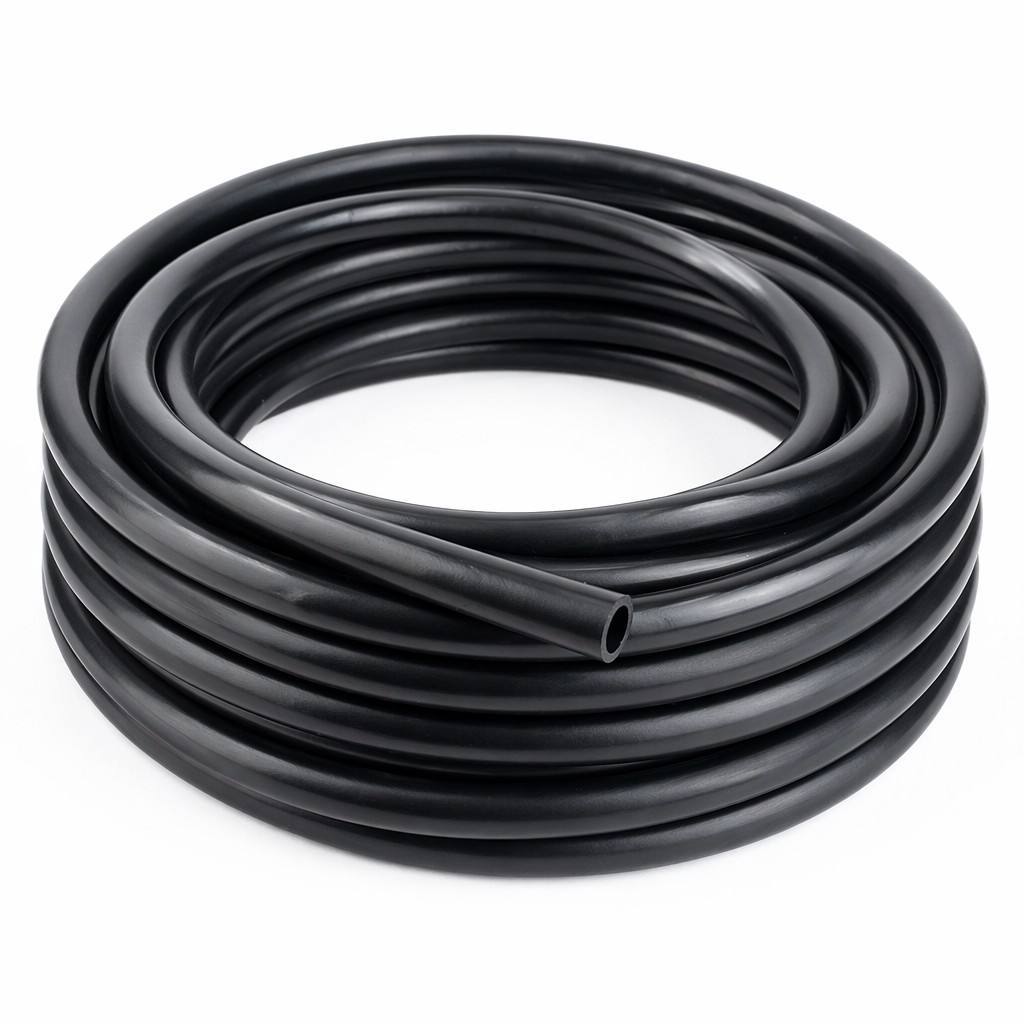
Comparison at a Glance
| Property | EPDM | Silicone | NBR |
|---|---|---|---|
| Temperature range | -40°C to +150°C | -60°C to +200°C | -40°C to +120°C |
| Weather & ozone | Excellent | Excellent | Poor |
| Oil & fuel resistance | Poor | Good | Excellent |
| Water & steam | Excellent | Good | Poor |
| Abrasion resistance | Good | Poor | Excellent |
| Cold flexibility | Good | Excellent | Good |
| Relative cost | Lowest ($) | Highest ($$$) | Medium ($$) |
Quick Selection Guide
- Carrying oil, fuel, or hydraulic fluid? → Choose NBR.
- High temperature, food contact, or cleanroom use? → Choose Silicone.
- Outdoor exposure, water, coolant, steam, or PC water cooling? → Choose EPDM.
- Not sure about your media or environment? → Send us your application details and let our engineers recommend the right material.
Get the right hose for your project.
At RESRUB, we manufacture EPDM rubber products, silicone, and NBR hoses in custom sizes, colors, and hardness levels to match your drawings. Need a custom rubber solution or want to know more about our materials and process capabilities? Contact us — we reply within 24 hours.