Rubber Tubing Solutions for Liquid Cooling and Fluid Routing
- Share
- publisher
- RESRUB
- Issue Time
- Sep 27,2026
Summary
A practical guide to selecting rubber tubing for liquid cooling and fluid routing. Learn how construction, material, size, bend radius and OEM validation work together in a reliable hose solution.
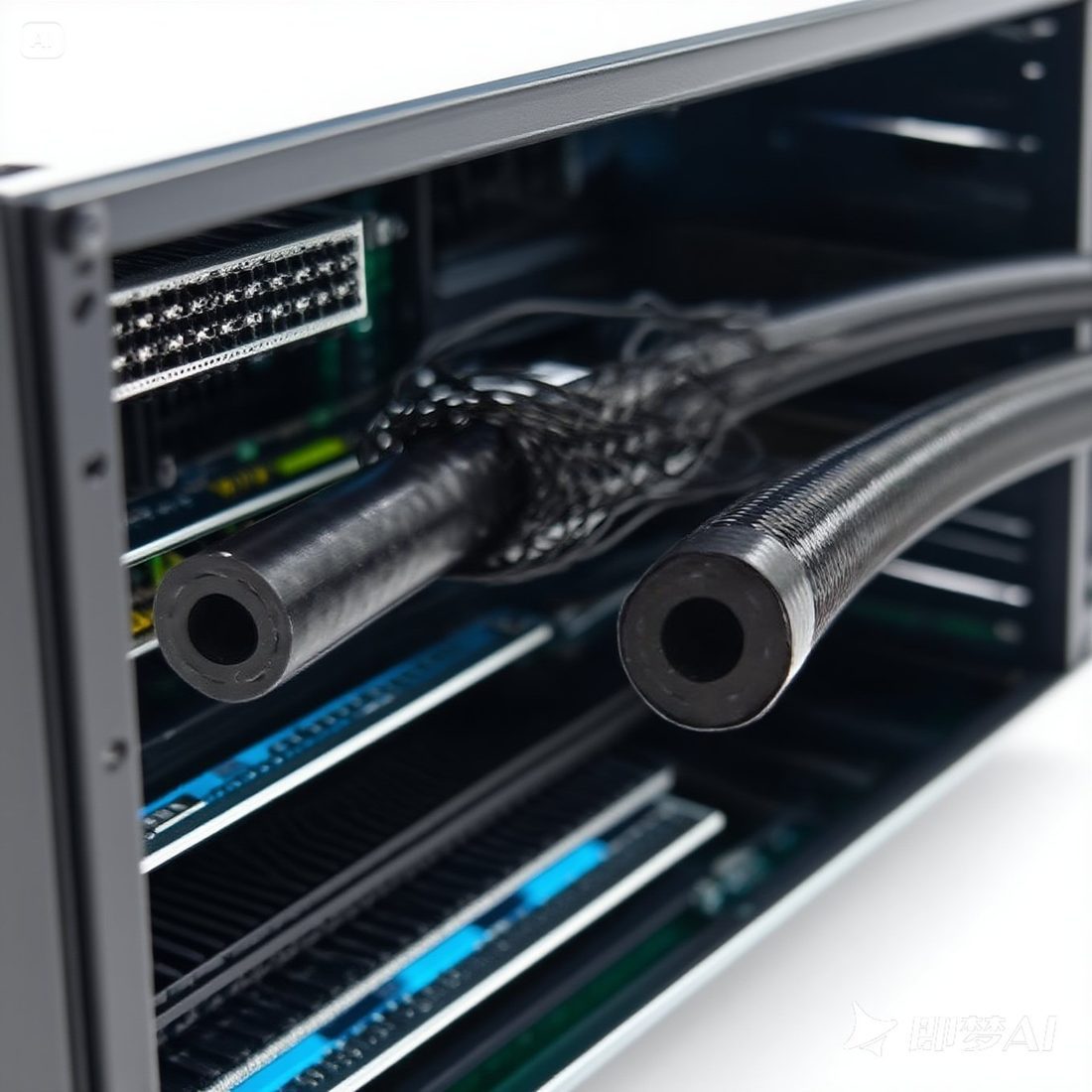
Rubber Tubing Solutions for Liquid Cooling and Fluid Routing
How to select the right hose construction, material and connection details for reliable cooling loops, equipment fluid routing and custom OEM projects.
Why Hose Design Matters in a Cooling or Fluid System
A rubber hose is more than a flexible passage for liquid. In a working system, it must maintain flow, resist kinking, tolerate vibration and temperature changes, and remain compatible with the fluid and connectors. A suitable design also makes assembly, inspection and replacement easier.
For project-specific requirements, custom rubber solution service can help convert your equipment layout, sample or drawing into a manufacturable tubing solution.
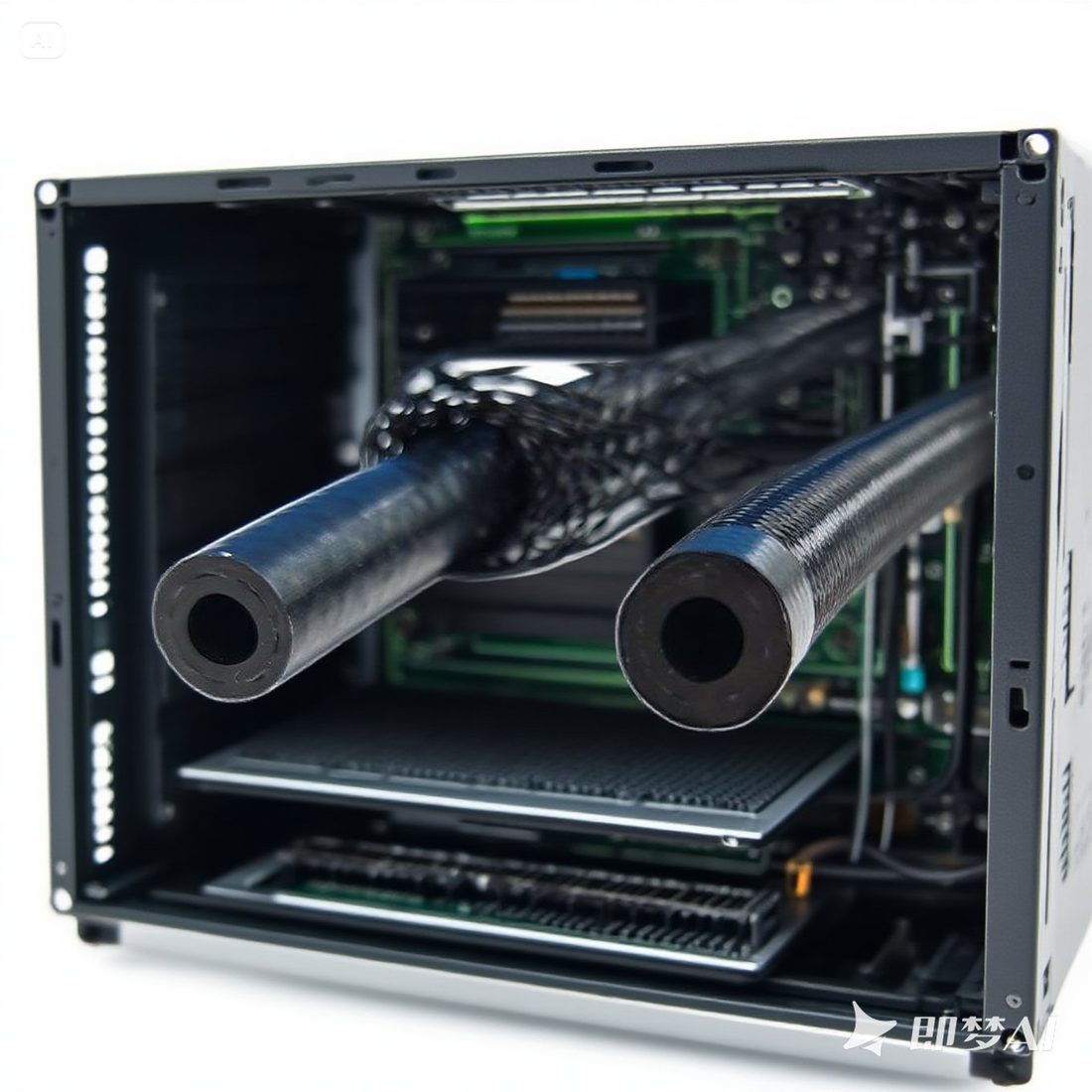
Rubber hoses routed inside a computer liquid cooling system
Choose the Construction: Smooth, Reinforced or Multi-Line
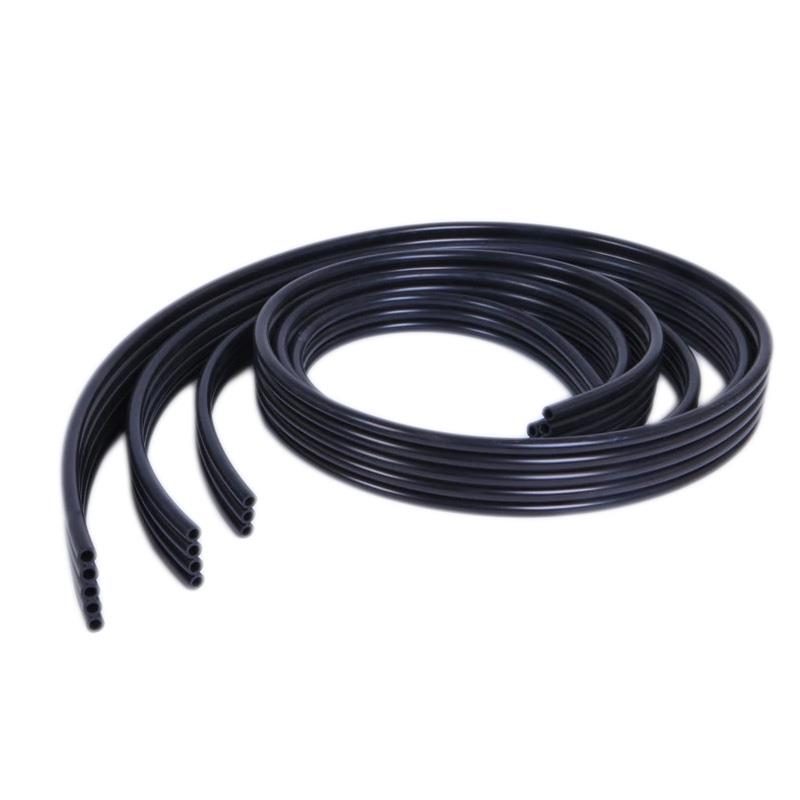
Smooth-wall tubing is often selected when flexibility, clean routing and easy cutting are the priorities. Braided or reinforced hose is preferred when the application needs greater pressure support, crush resistance or dimensional stability. Multi-line and co-extruded profiles can simplify installation when several fluid paths must follow the same route.
- Define the required working pressure and safety margin.
- Check minimum bend radius and movement during operation.
- Confirm whether the hose needs reinforcement, a protective braid or multiple channels.
- Match the hose end style to the fitting and clamp design.
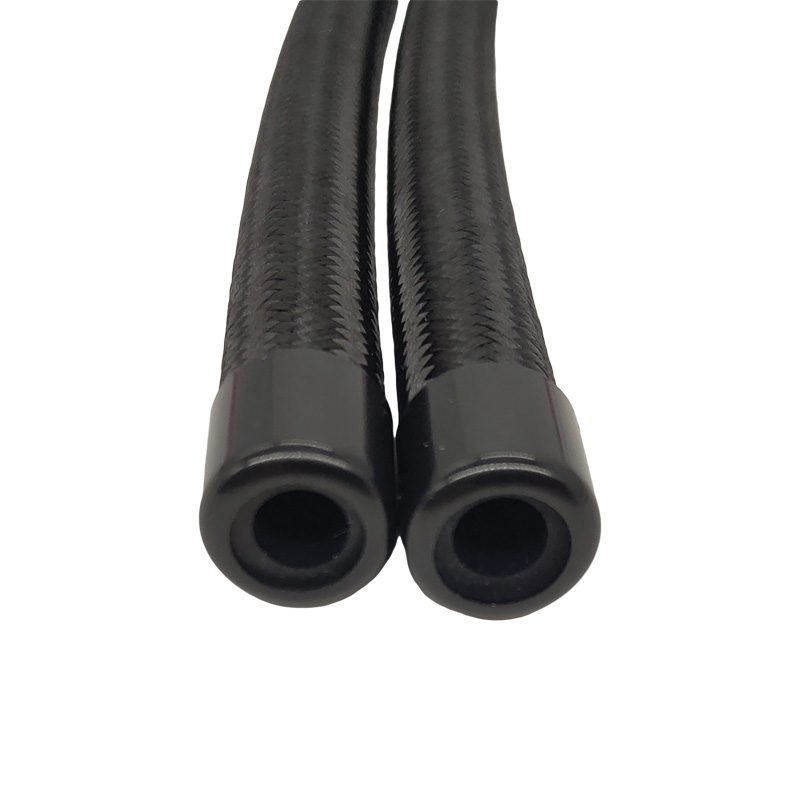
Black braided rubber hoses with reinforced construction
Match the Material to Temperature and Fluid Compatibility
The material should be selected from the real operating environment, not only from the appearance of the tube. Silicone is useful for wide temperature ranges and flexible routing. EPDM is widely considered for water, glycol and outdoor weathering applications. NBR can be considered when oil resistance is important, while PVC, TPE or TPV may fit specific flexible extrusion and cost requirements.
Before locking the specification, review materials and process capabilities for material, process and service capability details.
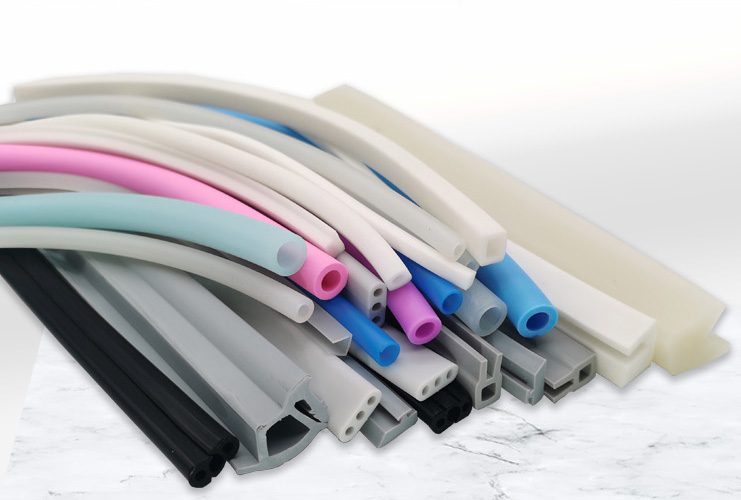
Flexible silicone tubing in multiple sizes
Size the Tube for Flow, Fit and Installation Space
Inside diameter affects flow capacity and pressure loss, while outside diameter determines fitting compatibility, clamp selection and available clearance. Wall thickness influences flexibility, pressure support and resistance to collapse. For OEM projects, define dimensions and tolerances together with the connector type and routing path.
A practical specification should include inside diameter, outside diameter, wall thickness, length tolerance, hardness or flexibility target, color and packaging requirements.
Multi-size rubber tubing arranged for size selection
Use Application Images to Validate the Routing Plan
A product sample on a white background is useful for checking construction and appearance, but a system image is needed to validate bends, clearances, connection points and maintenance access. For PC and compact equipment cooling, compare the planned hose path with PC liquid cooling tube solutions before finalizing the prototype.
Confirm the hose will not contact sharp edges, fans, hot surfaces or moving components. Allow service loops where the assembly may need to be removed or inspected.
Liquid cooling hoses routed through compact equipment
A Repeatable OEM Workflow Reduces Project Risk
A clear development process helps prevent late changes and inconsistent production. Start with the working conditions and routing constraints, then confirm construction, material, dimensions and connection details before sampling.
- Share the fluid type, temperature range, pressure, flow target and annual demand.
- Provide drawings, samples, fitting details or photos of the installation.
- Review a prototype for bend radius, sealing, fit and appearance.
- Confirm inspection points, packing method and repeat-order requirements.
When the design is ready, contact our team with the application details for a quotation and technical review.
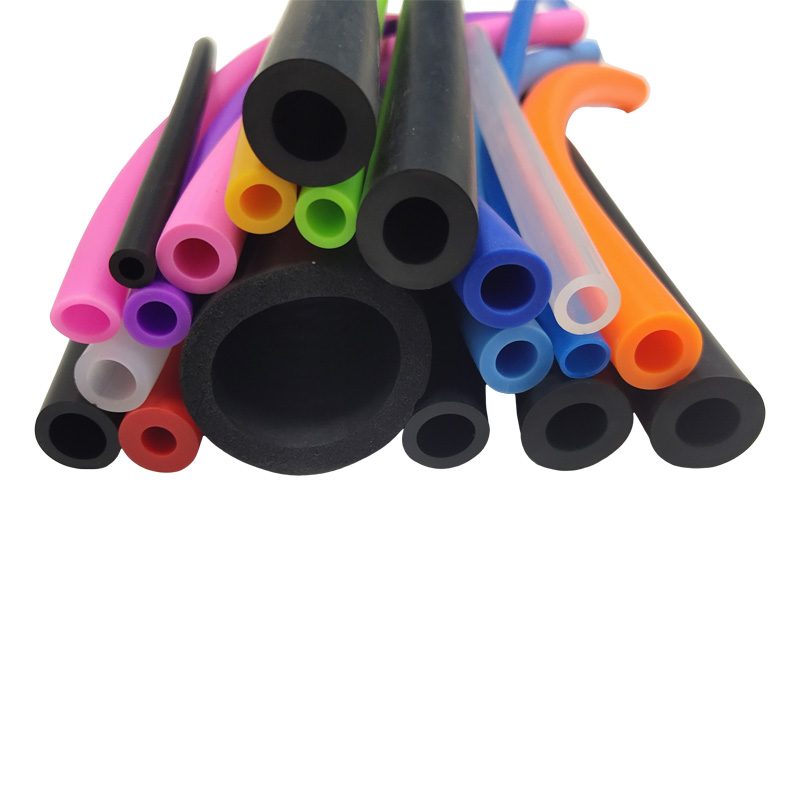
Rubber tubing and extruded profiles for customized applications
Project Checklist
- Fluid, temperature, pressure and flow requirements are defined.
- Inside diameter, outside diameter, wall thickness and tolerances are confirmed.
- Bend radius, routing space, fittings and clamping method are reviewed.
- Material compatibility and required service life are agreed.
- Samples, inspection criteria, packaging and repeat production needs are documented.